When Burnout Makes You Want to Disappear
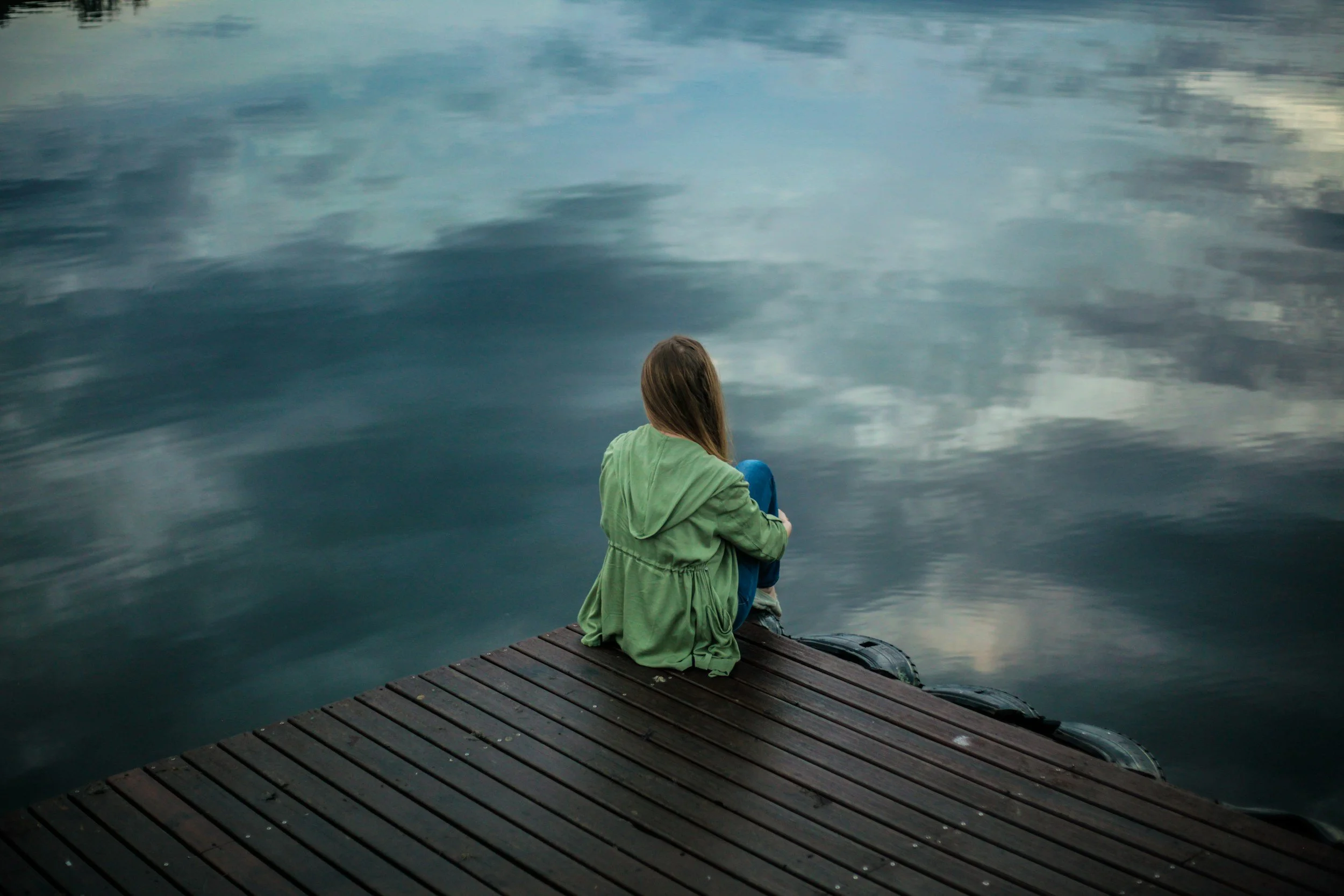
Sometimes burnout doesn't just make you tired. It can make you feel like you want to disappear from your own life.
You stop answering texts. You cancel plans. You spend more time at home. At first, you tell yourself you just need some time to recover. You'll reach out when you have more energy. When things settle down. When you feel more like yourself again.
But the longer you stay disconnected, the harder it can become to reach back out.
And that's where burnout can become especially isolating.
I've seen this in my coaching work with women who are already carrying too much. They aren't necessarily choosing to be alone. They're overwhelmed, emotionally depleted, and sometimes so far into survival mode that they have lost touch with what they need or how to ask for it.
They may know they're struggling, but not know what kind of support would actually help.
They may worry that they're becoming a burden. They may tell themselves that other people have their own problems and don't want to hear about theirs. They may feel embarrassed that they're not handling things better.
And the more isolated they become, the easier those thoughts can be to believe.
When overwhelm turns into isolation
There's a difference between choosing solitude and becoming isolated.
Solitude can give you space to rest, think, recharge, or simply be without having to explain yourself to anyone.
Isolation can feel very different.
You can be surrounded by people and still feel completely alone. You may want someone to reach out, but at the same time feel like you don't have the energy to respond. You may desperately want to feel understood but have no idea how to explain what you're experiencing.
Sometimes, you don't even know what you need.
That's one of the things burnout can take from you. When you've spent so long pushing through and taking care of everything, it can become surprisingly difficult to stop and ask, What do I need right now?
And when you're already overwhelmed, reaching out for help can feel like one more thing you don't know how to do.
You don't have to recover alone
This is one reason connection matters so much during burnout recovery.
Rest and solitude have their place. Sometimes protecting your energy means saying no, canceling plans, or spending a quiet night at home.
But healing doesn't happen entirely in isolation.
We need people who can remind us that we're not our productivity. People who can listen without asking us to fix everything. People who can sit with us when we don't have the words.
And you don't have to wait until you know exactly what you need before you reach out.
You can tell someone you trust:
"I'm struggling right now, and I don't really know what I need."
Or:
"I'm having a low-energy day. Could we just talk for a few minutes?"
It doesn't have to be a big conversation. You don't have to be social or entertaining. You don't have to explain everything.
Sometimes, connection can be as simple as letting someone know you're there.
And if you don't have friends or family who feel like safe people to talk to, you don't have to navigate this alone. A therapist or coach can provide a compassionate, nonjudgmental space to talk through what you're experiencing and begin figuring out what you need.
Start with one small connection
If you've noticed yourself withdrawing, you don't have to suddenly become more social.
Start by getting curious about what's happening underneath the withdrawal.
Am I choosing to be alone because I need rest, or am I pulling away because I'm overwhelmed?
Do I feel restored by being alone, or do I feel even more disconnected?
What am I telling myself about why I shouldn't reach out?
Do I actually know what I need right now?
And if you don't know, that's okay.
Maybe the first step isn't figuring everything out. Maybe it's letting someone you trust know that you're struggling.
Burnout recovery isn't about forcing yourself to be available to everyone. It's about learning how to care for your own energy without losing your connection to the people who help you feel supported, seen, and less alone.
You can protect your energy without disappearing from your life.
And sometimes, letting someone in—even just a little—is part of taking care of yourself, too.